Body size discrimination is the last socially acceptable form of prejudice.

Body size discrimination, often referred to as ‘sizeism’ or weight bias, is a form of prejudice that judges individuals based on their body size and shape. This form of prejudice has been noted as one of the last socially acceptable forms because, unlike many other forms of discrimination, negative attitudes towards people of larger sizes are still widely tolerated, and sometimes even endorsed, in many societies.
In recent years, there has been a pushback against these practices, with the rise of body positivity movements and calls for more inclusivity in the fashion industry. Brands are beginning to recognize the importance of catering to a broader audience, both in terms of size inclusivity and representation. The demand for change has led to a slow but noticeable shift towards more inclusive fashion offerings, with some brands expanding their size ranges and featuring models of diverse body types in their campaigns. However, despite these positive developments, body size discrimination remains a pervasive issue in the fashion industry and society at large, highlighting the need for continued advocacy and change.
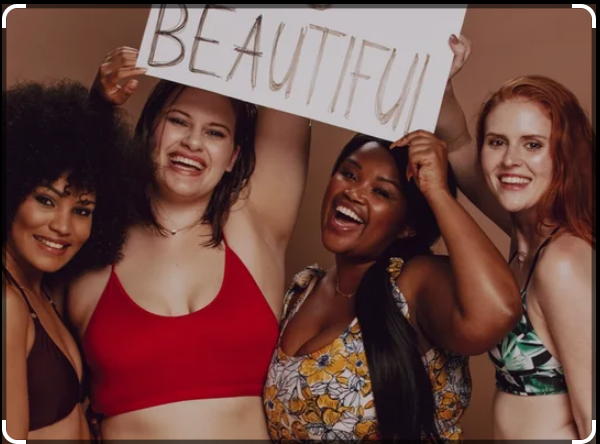
Why might a fashion brand want or not want to include a wider size range that is more inclusive of different body types?
Reasons for Size Inclusivity:
Market Expansion: Attracts a larger customer base.
Positive Brand Image: Aligns with social responsibility and enhances brand reputation.
Competitive Advantage: Differentiates the brand in a crowded market.
Customer Loyalty: Builds loyalty among a diverse customer base.
Trend Leadership: Positions the brand as a leader in body positivity and inclusivity.
Reasons Against Size Inclusivity:
Increased Production Costs: More sizes mean higher production and material costs.
Inventory Challenges: Complicates stock management and increases unsold inventory risks.
Brand Image Concerns: Some brands fear diluting their exclusive identity.
Design Challenges: Achieving certain aesthetics might be perceived as more difficult across all sizes.
Market Focus: Brands may target a specific demographic, overlooking broader inclusivity.
The decision to expand size ranges balances market opportunity against costs and brand strategy.

“It’s not slowing down. Over the last year, reports show that discussions around body positivity on Facebook and Instagram increased by a staggering 43%, year on year.” – Forbes: https://editor.wix.com/html/editor/web/renderer/edit/64d5f5de-2942-4f79-8b7a-e3c6529e4815?metaSiteId=87d4f205-5fae-4c0b-969a-98c77f69a315
Things do seem to be moving gradually in the right direction however, even if it is a long process, these things don’t happen overnight. A few years ago it was unheard of for high fashion brands to feature plus sized models, now it’s a far more regular occurrence. Let’s just hope this isn’t a passing trend but a change for the better.


Comments